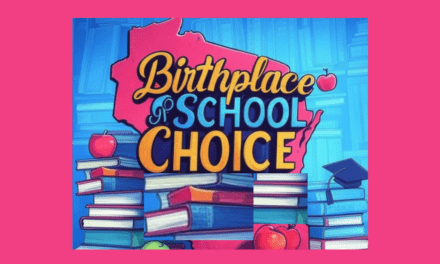
For the last 16 years, legislative Republicans have blocked efforts to limit the education options of Wisconsin parents.
As a result, more than 60,000 pupils now attend more than 400 schools in one of the state’s four choice programs. Choice is by far the state’s most cost-effective K-12 program. Based on data from none other than DPI, private choice pupils cost about 70% of public school per pupil spending.
Again, using DPI data and criteria, those pupils out-perform their public school peers.
I once naively believed that if such gains were achieved education choice would be relatively safe. I assumed, also naively, that the media would report the DPI data and fact-check the litany of bogus claims from choice opponents. Given that Wisconsin was ground zero for a choice movement that has gone national, the media failure is journalistic malpractice.
So here we are.
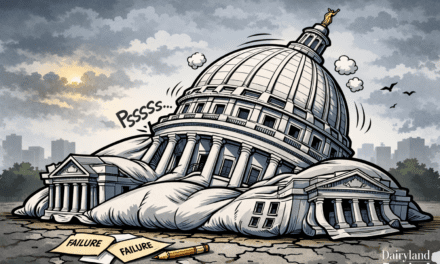
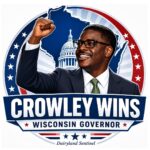
With choice opponents in control of the Legislature, the 16-year wait for opponents is over. David Crowley, the next governor, has announced support for capping choice enrollment and for ways to increase his version of “accountability.”
Crowley says he’ll look to legislative leadership for specific ideas as he shapes the education agenda that will be part of his 2027-29 budget. The public record of ideas previously shot down by legislative choice supporters suggests the Governor will be advised to:
- Freeze (if not even reduce) per pupil choice spending. This would be done by repealing provisions in current law that keep the choice-public spending gap from widening.
- Freeze Milwaukee choice enrollment and likely that of the Racine, Statewide, and Special Needs choice programs.
- Put DPI squarely into the classroom of private schools with curriculum requirements and other regulatory limits.
- Target virtual schools, the area of fastest growth among private choice enrollment.
Wisconsin is not alone among states where Tuesday’s election results portend challenges for parents seeking new education options. Texas, Arizona, and Iowa — to name just three — will likely face rollbacks of their initiatives.
There’s no mystery as to what’s going on. It’s all about the money.
When a parent voluntarily enrolls in a choice program enrollment in government-assigned local public schools commensurately declines and their children appropriately don’t generate tax support for local public schools.
For choice opponents, it doesn’t matter that the per pupil taxpayer cost is less or that the results for those children are better.