Did you know?
During World War II, as Wisconsin farmers left for the front lines, an unexpected labor force filled the void in the state’s fields and canneries: more than 20,000 German prisoners of war.
Across the United States, roughly 425,000 German POWs were housed in 700 camps. Wisconsin became a key destination due to a severe agricultural labor shortage and the state’s deep German heritage, which made managing and communicating with the prisoners considerably easier.
How the Camp System Worked
The arrangement followed Geneva Convention guidelines. Labor was paid, with POWs earning wages similar to military base pay—typically paid in canteen scrip they could use for personal supplies or send home.
To reduce security risks, authorities deliberately kept camps away from vital defense manufacturing. Instead, prisoners were deployed where food production was stalling: harvesting crops, working dairy operations, and staffing food-processing plants.
POW Locations Across Wisconsin
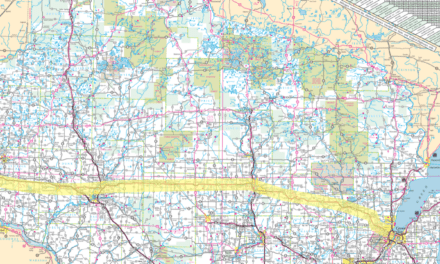
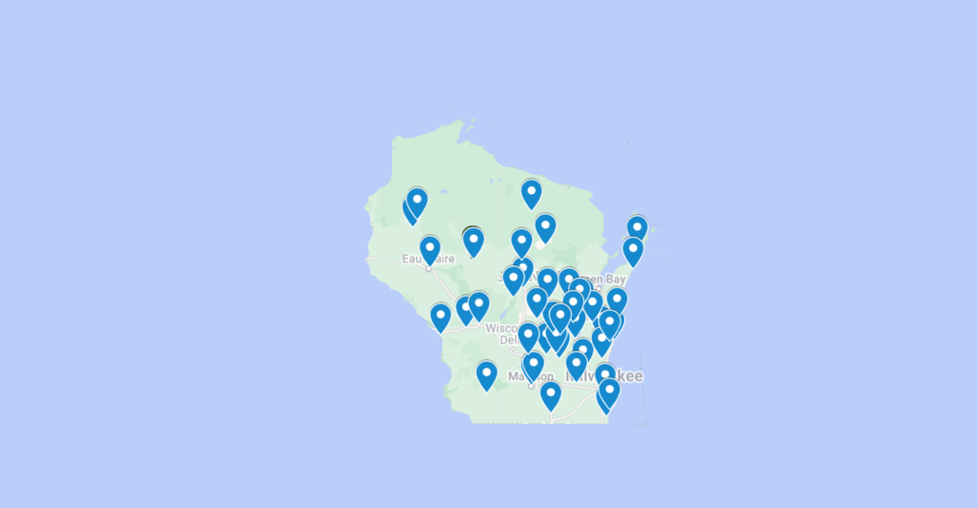
Camp McCoy in Sparta (Monroe County) served as the central administrative hub, directing dozens of smaller branch camps statewide. Because no single federal ledger exists for every temporary site, historians have pieced together location lists through local historical societies, oral histories, and regional records.
- Camp McCoy (Sparta): The state’s main processing center and primary base camp.
- Camp Rhinelander: Housed in a repurposed Civilian Conservation Corps (CCC) camp in the Northwoods.
- Camp Hartford: Housed prisoners inside a local art deco ballroom.
- Plymouth: Established at the local fairgrounds to supply workers for nearby factories.
- Sheboygan & Sheboygan Falls: Provided labor for area food-canning plants.
- Barron: Supported local agricultural and field labor.
- Milwaukee (Camp Billy Mitchell): Stationed on the land where Mitchell International Airport stands today.
- Other Branch & Temporary Facilities: Camps or work details operated at various points in Antigo, Appleton, Beaver Dam, Cambria, Chilton, Cobb, Columbus, Eau Claire, Fish Creek, Fond du Lac, Fox Lake, Fredonia, Green Lake, Hortonville, Janesville, Kenosha, La Crosse, Lodi, Madison, Manitowoc, Menasha, Oconomowoc, Oshkosh, Portage, Racine, Rice Lake, Ripon, Stevens Point, Sturgeon Bay, Tomah, Watertown, Waupaca, Wausau, Wautoma, Wisconsin Rapids, and Withee.
Daily Life and Local Impact
For many German captives, being sent to the American Midwest was a relief, especially compared to the brutal conditions on the Eastern Front. Outside work hours, camps offered basic education classes in English, history, and culture, often taught by local instructors or bilingual prisoners.
In local communities, initial hostility gave way to practical routine. In rural areas where older residents still spoke German, language barriers disappeared quickly. Guards, farmers, and prisoners routinely ate meals together, shared recipes, and worked side by side.
When the war ended and camps closed, the connection didn’t disappear entirely. A number of former POWs kept in touch with the Wisconsin farm families they worked for, and some returned decades later to visit the places they had once worked as captives.
Sources & Further Reading:
NPR Interview with Author of Stalag Wisconsin