A decade ago, former New York Mayor Michael Bloomberg offered this assessment at an Oxford University appearance:
“I could teach anybody, even people in this room, no offense intended, to be a farmer…You dig a hole, you put a seed in, you put dirt on top, add water, up comes the corn.”
Bloomberg then dug a deeper hole, so to speak, saying that in today’s information economy “You have to have a different skill set, you have to have a lot more gray matter.”
The plans by New York’s current mayor to open government grocery stores will be instructive when it comes to the “skill set” required to put food on the table.
As an ill-informed city slicker when it comes to agriculture, I had an eye-opening opportunity to tour of the Seneca Foods processing plant in Janesville.
It began at the receiving dock, where a dirt-covered collection of freshly harvested vegetables had arrived that morning. For the next two hours, I watched the process by which produce is cleaned, sanitized, sorted, packaged, and placed on pallets for delivery to Seneca customers.
Seneca is a major supplier to Wal-Mart and Costco, customers with zero-tolerance quality control standards.
Seneca’s work extends extends well beyond processing. It produces seeds, owns thousand of acres of farmland, and conducts intensive research into new varieties, disease prevention, and productivity.
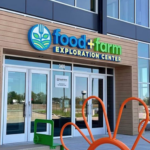
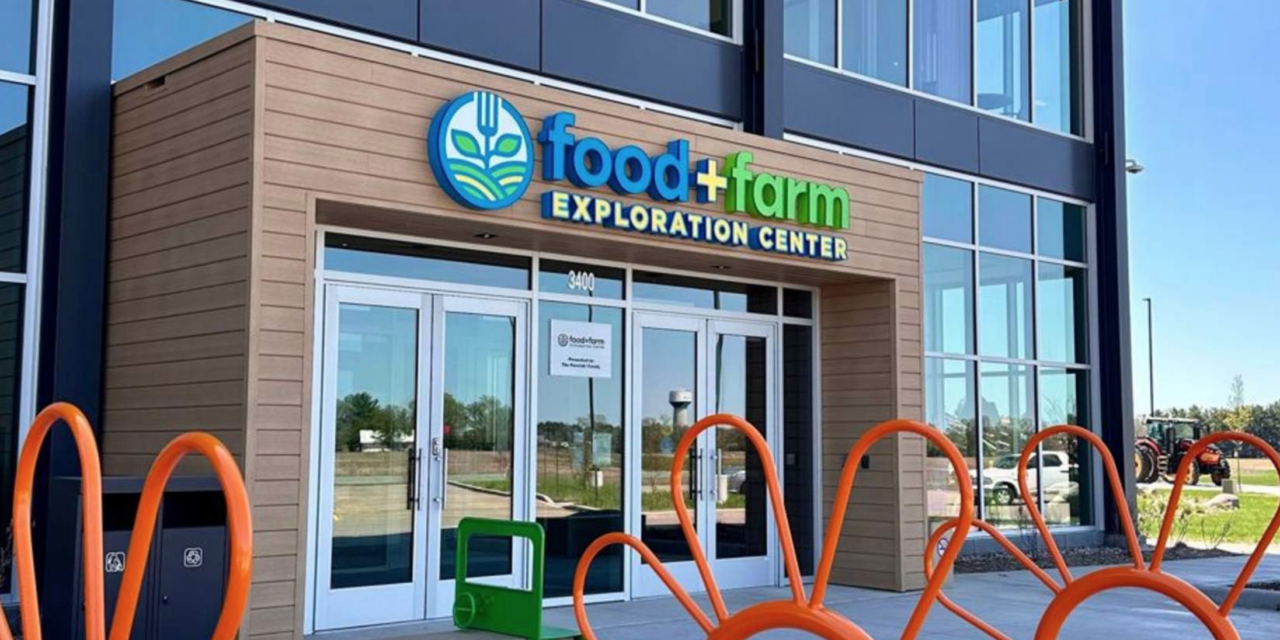
My tour guide, Seneca CEO Paul Palmby, recommended a visit to the Food + Farm Exploration Center in Plover.
I recently spent a day at the center, at a nearby farm operated by Dick Pavleski (the center’s founder) and at a large acreage farmed by Seneca in Coloma.
I could not stop snapping pictures. Like, for example:
- A million dollar pea harvester.
- A cavernous plant where potatoes sufficient to meet unsparing Frito-Lay specifications are inspected, cleaned, and processed for shipping.
- A $35 million dehydration factory, where blemished potatoes are saved from the trash heap and instead turned into mashed potato flakes and Pringles.
Visitors to the Plover facility, or the Farm Wisconsin Discovery Center near Manitowoc, will not be disappointed. Each provides a window on the more than 60,000 Wisconsin farms that are the first step in stocking the shelves of local supermarkets.
As to the comments of former Mayor Bloomberg, I will let Pavleski have the last words:
“Modern agriculture is not simply about knowing how to plant a seed, operate a piece of equipment or apply fertilizer. A modern farm is a sophisticated business that happens to produce food. The farmer of the future needs to understand agronomy and soil science, but also economics, finance, marketing, human resources, technology, risk management, supply chains, government policy, environmental stewardship and business strategy.”