
The School Choice Advantage… According to DPI
A perspectives column for Dairyland Sentinel by George Mitchell
There was important news on the school choice front last week.
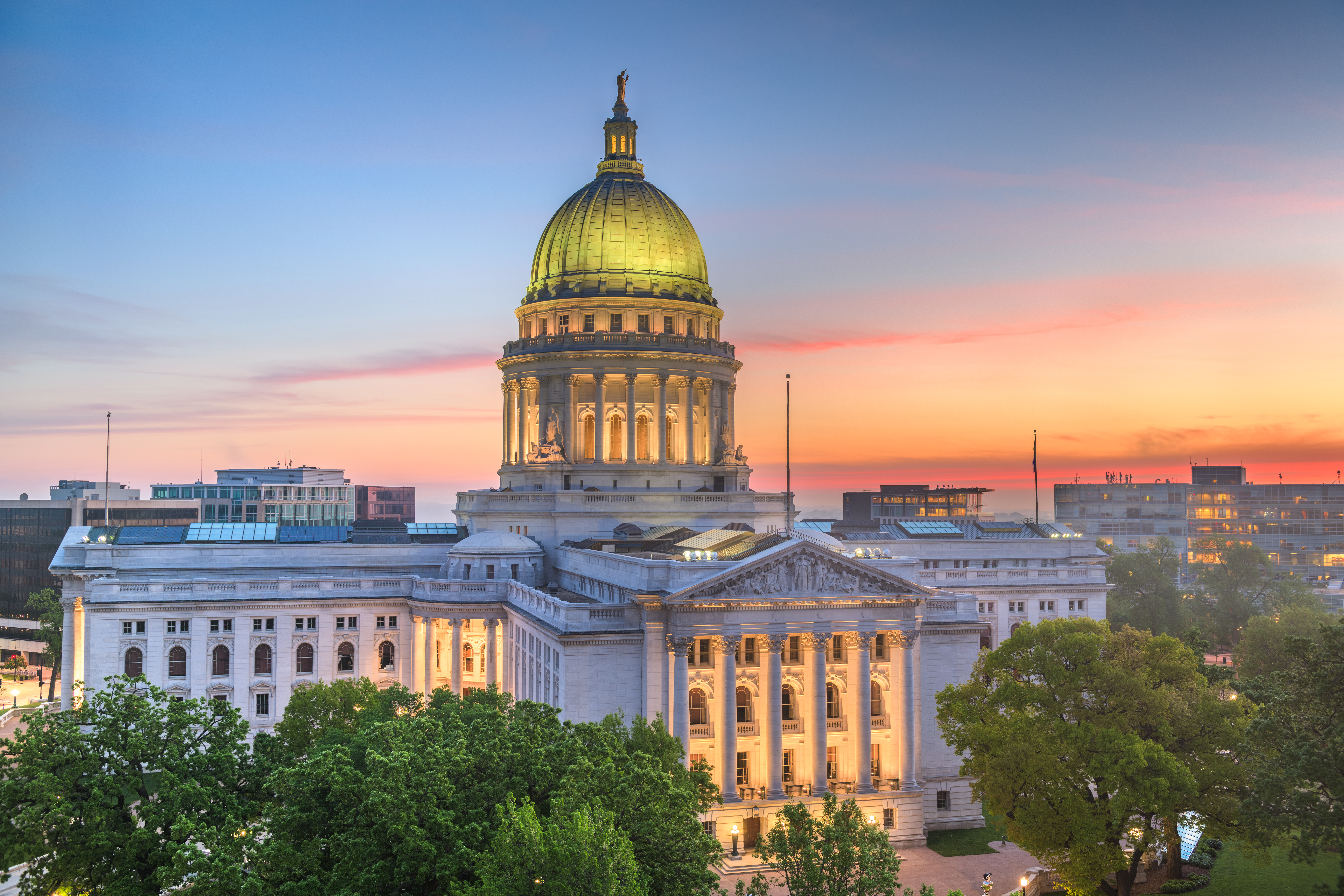
• On Tuesday, more than a thousand students, parents, and school leaders filled the Capitol rotunda to commemorate National School Choice Week. Single-digit temperatures did not keep them from thanking legislators who support giving parents education options. Schools from across the state attended, representing Kenosha, Racine, Milwaukee, Stevens Point, Madison, southwest Wisconsin, northeast Wisconsin, and central Wisconsin.
• On Thursday, the Department of Public Instruction (DPI) announced that 21 new schools have joined one of Wisconsin’s parental choice programs, bringing overall participation from 415 schools to 433 schools statewide.
The Wisconsin Institute of Law & Liberty posted the following two charts in connection with National School Choice Week. They highlight student populations served by the state’s private choice programs and compare the taxpayer cost with spending at traditional public schools.
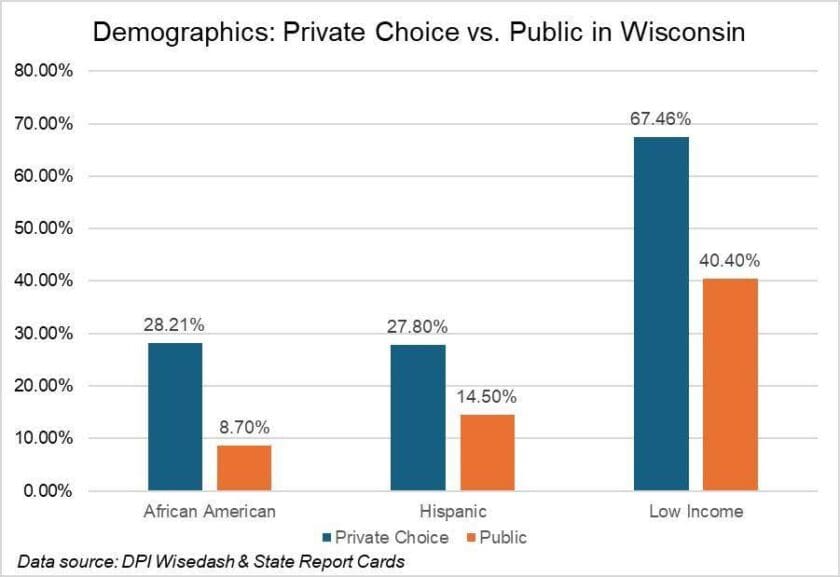
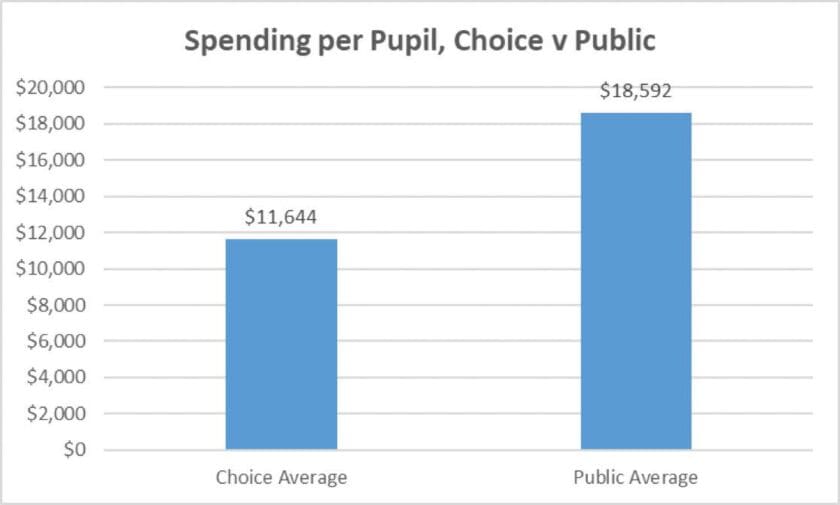
The Milwaukee Journal Sentinel deemed these developments un- newsworthy. This perhaps reflects the paper’s erroneous view that there’s no meaningful difference in achievement for students in the private choice programs. DPI data show otherwise, as described below for Milwaukee.
Columnist Alan Borsuk, a longtime former education reporter for the paper, wrote recently that “as popular as school choice has been, the overall achievement levels…aren’t much better than in MPS.” Four years ago a column of his was headlined, “…I said results of voucher, MPS students ‘aren’t much different.’ Has my opinion changed? Nope.”
What do the data show? DPI Report Cards rank schools on a scale of 1-100. The department aggregates data on a number of categories. It takes into account demographic factors shown to have an impact on achievement.The latest Report Card data for Milwaukee schools gives private choice schools an overall score of 69.3 compared to 57.3 from MPS, a choice score that is 21% higher than for MPS. If readers know that, would they agree that choice scores “aren’t much better”?
The Report Cards break out data for (1) achievement on tests and (2) growth in test scores. On achievement — measured as raw test scores — private choice schools scored 60% higher than MPS schools. On growth, the choice advantage was 12%.
Historic DPI data show a consistent choice advantage. On raw score achievement, the choice school advantage grew from 21% in 2016-17 to 60% in 2024-25. For the same years the growth advantage ranged from 9% to 12%.
That advantage is all the more significant because taxpayer support for private choice schools is, on average, less than two-thirds of what traditional public schools receive.
What Journal Sentinel readers know largely is confined to Borsuk’s view that the results “aren’t much different” and that choice scores “aren’t much better.” There was a time when editors would ask the simple question, “says who”? There was a time when readers would be entitled to more than dismissive generalizations.
The paper’s approach to school choice coverage is baffling. Wisconsin was ground zero for a movement that now has gone national. What can explain a newsroom decision not to examine closely the program’s history and current impact? Why are results presented in a way that deprives readers of the chance to judge its value.