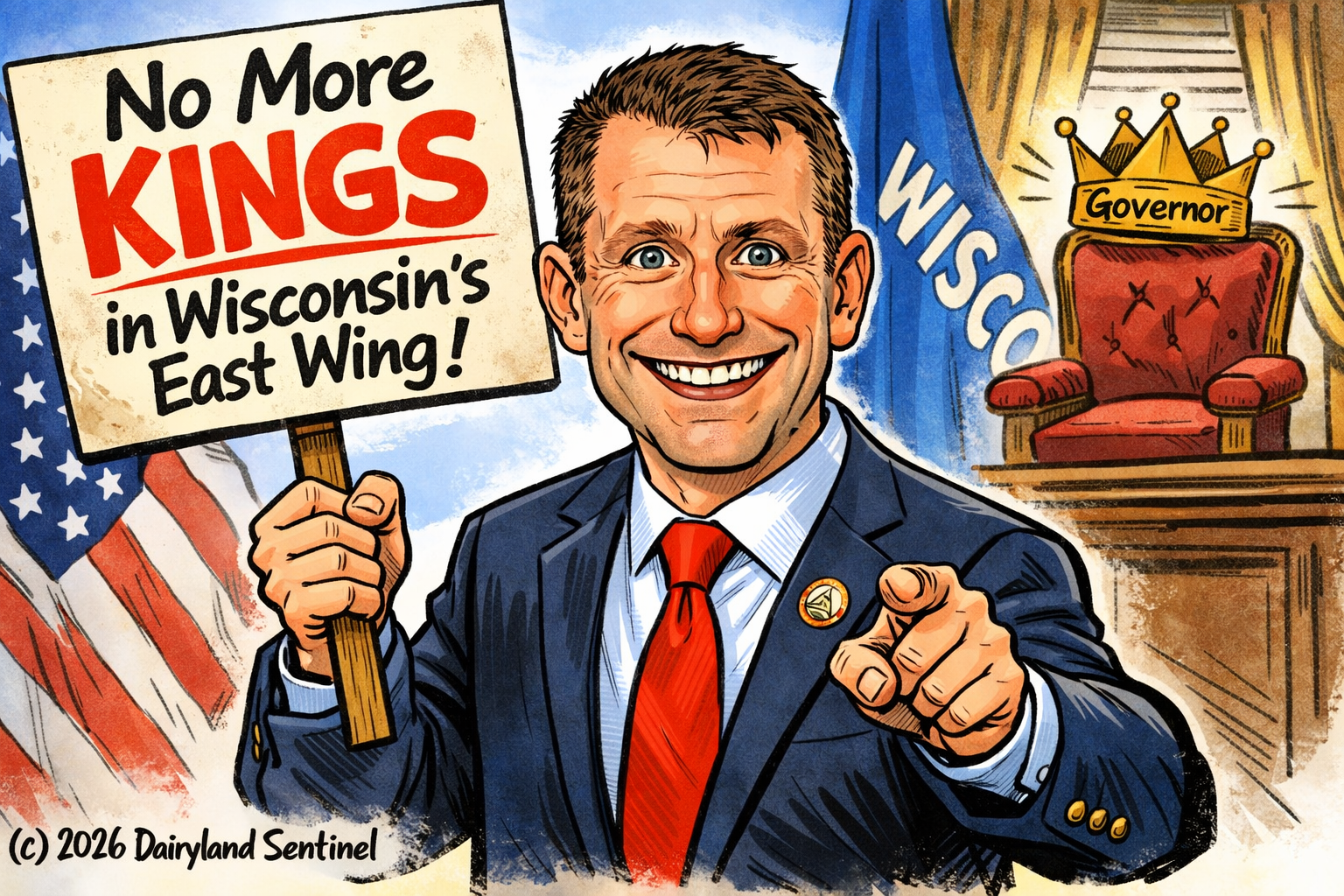
MADISON, Wis. — State Rep. Brent Jacobson introduced legislation this week aimed at restoring legislative oversight of state agencies following a state Supreme Court ruling that limited the Legislature’s ability to review administrative rules.
Jacobson, R-Mosinee, said the proposal comes in response to the court’s decision in Evers v. Marklein II and was developed from the Speaker’s Task Force on Rulemaking.
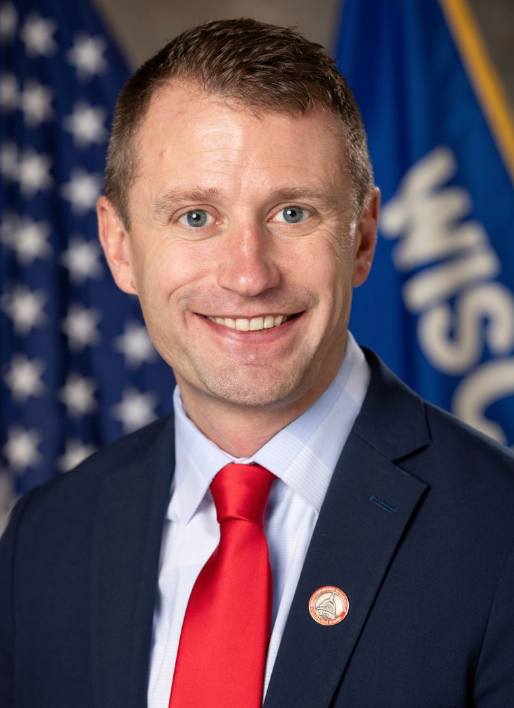
“The Wisconsin Supreme Court’s decision in Evers v. Marklein II stripped the Legislature of any meaningful way to oversee the rules and regulations passed by state bureaucrats,” Jacobson said in a statement released Tuesday.
The legislation includes two primary bills. LRB-5973 would amend the Wisconsin Constitution to allow the state Assembly and Senate to suspend administrative rules, either temporarily or permanently, by passing a joint resolution. Jacobson said this measure is intended to provide a check on regulations that create high costs or compliance burdens for residents.
The second bill, LRB-5970, would require state agencies to possess specific statutory authority to create rules. It repeals broader authority that allowed agencies to interpret statutes through regulations without explicit legislative permission.
The push for new oversight follows a 4-3 decision by the Wisconsin Supreme Court in Evers v. Marklein. In that ruling, the court struck down statutes that had empowered the Legislature’s Joint Committee for Review of Administrative Rules to indefinitely delay or block agency rules.
Writing for the majority in that decision, Chief Justice Jill Karofsky argued the committee’s power amounted to an unconstitutional “legislative veto.” The court held that only statutes passed by both houses and presented to the governor could carry legal force.
Justice Rebecca Bradley wrote in a dissent that the majority allowed the executive branch to “exercise law‑making power unfettered and unchecked.”
Gov. Tony Evers praised the court’s ruling at the time for removing what he described as obstruction by a small group of lawmakers.
“It’s pretty simple—a handful of Republican lawmakers should not be able to single‑handedly and indefinitely obstruct state agencies from doing the people’s work,” Evers said regarding the decision.
Jacobson said testimony gathered during hearings across the state highlighted public concern over the shift in power.
“In three public hearings across Wisconsin, we listened to testimony from farmers, builders, taxpayers, and other stakeholders,” Jacobson said. “Not one of them was comfortable with their elected representatives having no voice in the rulemaking process.”
Assembly Speaker Robin Vos, who appointed Jacobson to lead the task force, previously criticized the court’s ruling for ignoring decades of case law that upheld legislative checks on the bureaucracy.
Jacobson said the new bills are designed to bring predictability back to the regulatory process.
“The bills that I introduced this morning will restore checks and balances over our state agencies, and ensure that state regulators are accountable to the people of our state,” Jacobson said.
Previously at Dairyland Sentinel